The Carnivore Diet Food List
Every food that belongs on a carnivore diet, grouped by food type — ruminant meat, pork, poultry, seafood, eggs, dairy, and animal fats — plus a clear list of what to leave out.
Use this as your shopping reference. Anything in the green sections is animal-sourced and fits a carnivore diet; the amber section depends on which variation you follow, and the red section is what carnivore eaters cut out.
The CarnivoreX app carries this same food list with macros for every item.
Carnivore diet food list by food group
Fresh, unprocessed, and single-ingredient is the rule. If a label lists more than the animal and salt, check it. Macros are per 100 g (3.5 oz), cooked where usually eaten cooked, rounded from USDA FoodData Central.
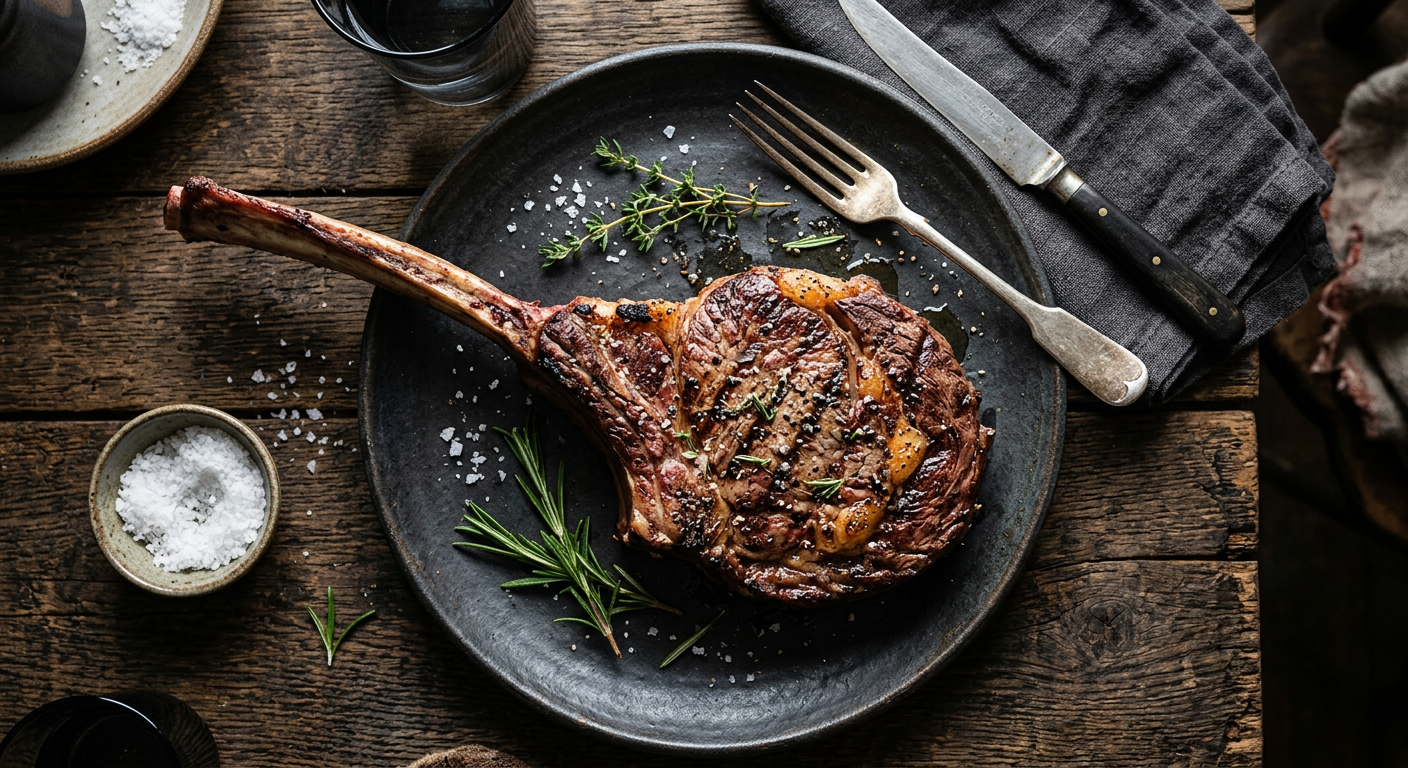
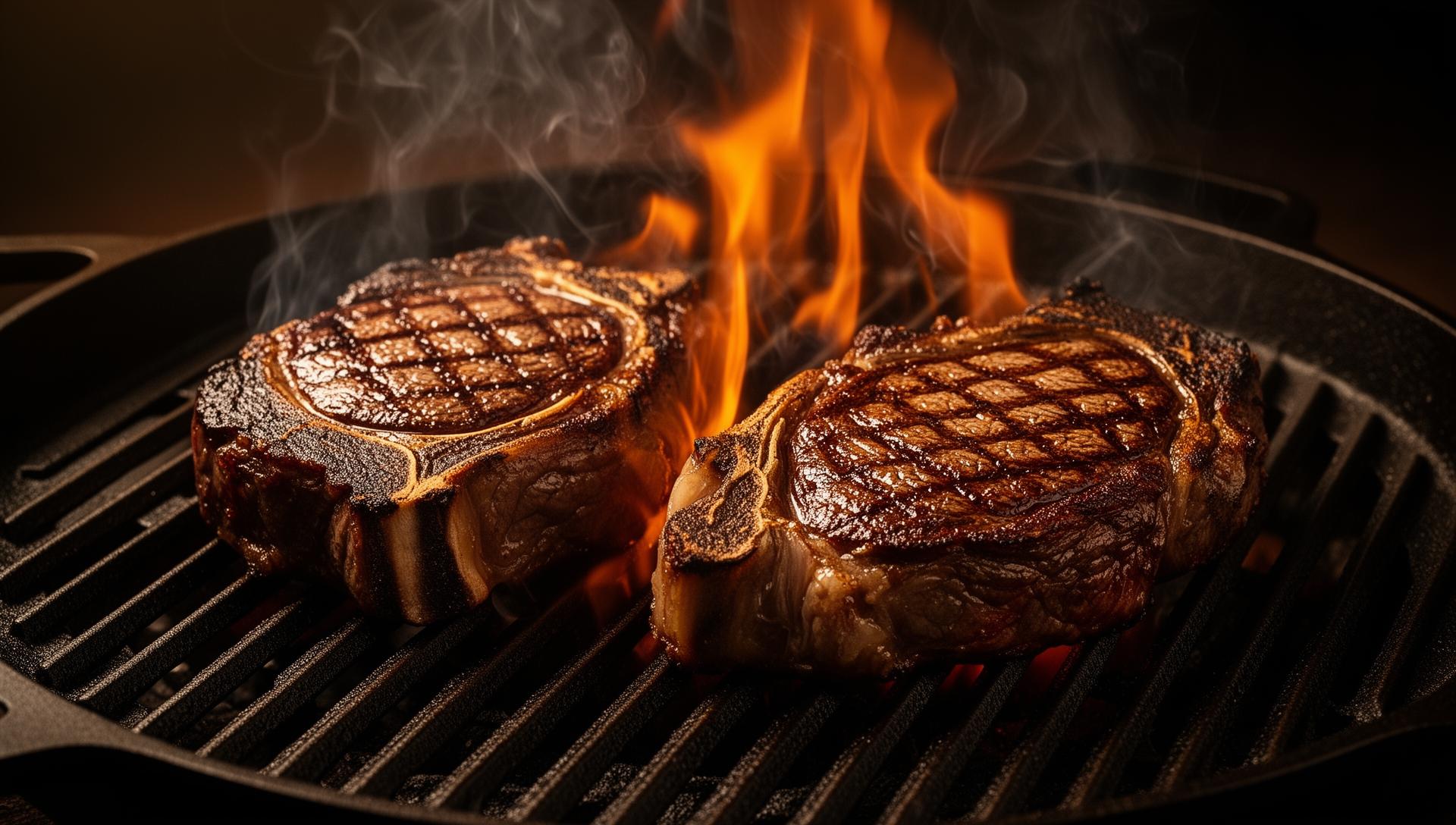
Ruminant meat
The backbone of the diet. Grass-fed or grain-fed both work; fattier cuts keep you full longer.
Ribeye steak
291 kcal · 24g P · 21g F · 0g C · per 100 g / 3.5 oz
Sirloin steak
206 kcal · 30g P · 9g F · 0g C · per 100 g / 3.5 oz
Chuck roast
297 kcal · 29g P · 19g F · 0g C · per 100 g / 3.5 oz
Beef brisket
327 kcal · 26g P · 24g F · 0g C · per 100 g / 3.5 oz
Beef short ribs
471 kcal · 22g P · 42g F · 0g C · per 100 g / 3.5 oz
Ground beef (80/20)
272 kcal · 26g P · 18g F · 0g C · per 100 g / 3.5 oz
Flank steak
192 kcal · 28g P · 8g F · 0g C · per 100 g / 3.5 oz
Skirt steak
233 kcal · 27g P · 13g F · 0g C · per 100 g / 3.5 oz
Lamb chops
297 kcal · 25g P · 21g F · 0g C · per 100 g / 3.5 oz
Leg of lamb
258 kcal · 26g P · 17g F · 0g C · per 100 g / 3.5 oz
Ground lamb
283 kcal · 25g P · 20g F · 0g C · per 100 g / 3.5 oz
Bison
143 kcal · 28g P · 2g F · 0g C · per 100 g / 3.5 oz
Venison
158 kcal · 30g P · 3g F · 0g C · per 100 g / 3.5 oz
Elk
146 kcal · 30g P · 2g F · 0g C · per 100 g / 3.5 oz
Goat
143 kcal · 27g P · 3g F · 0g C · per 100 g / 3.5 oz
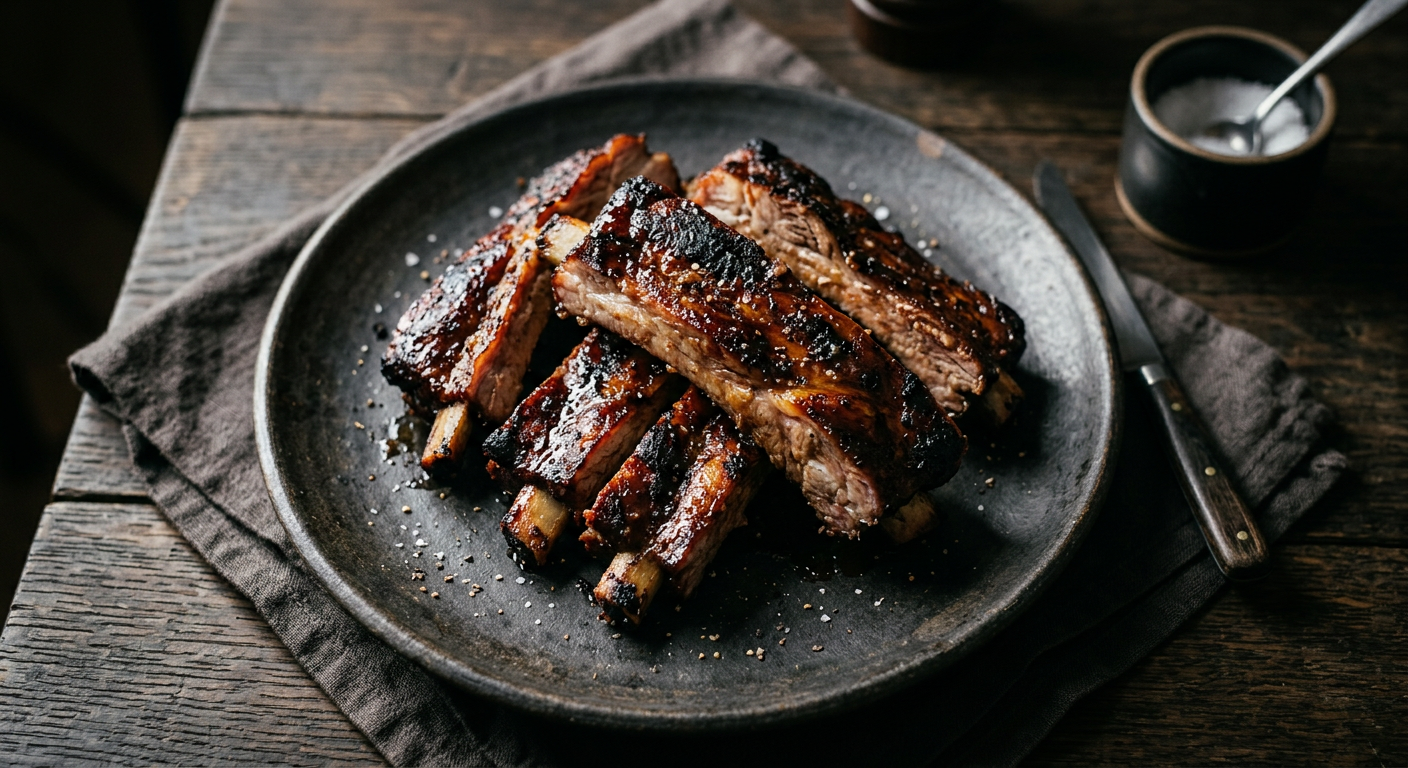
Pork
Naturally fatty and inexpensive. Choose cures without sugar or starch fillers.
Pork belly
518 kcal · 9g P · 53g F · 0g C · per 100 g / 3.5 oz
Pork shoulder
269 kcal · 23g P · 19g F · 0g C · per 100 g / 3.5 oz
Pork chops
231 kcal · 26g P · 14g F · 0g C · per 100 g / 3.5 oz
Pork tenderloin
143 kcal · 26g P · 4g F · 0g C · per 100 g / 3.5 oz
Ground pork
297 kcal · 26g P · 21g F · 0g C · per 100 g / 3.5 oz
Bacon (sugar-free)
541 kcal · 37g P · 42g F · 1g C · per 100 g / 3.5 oz
Ham (unsweetened)
145 kcal · 21g P · 6g F · 1g C · per 100 g / 3.5 oz
Pork rinds and crackling
544 kcal · 61g P · 31g F · 0g C · per 100 g / 3.5 oz
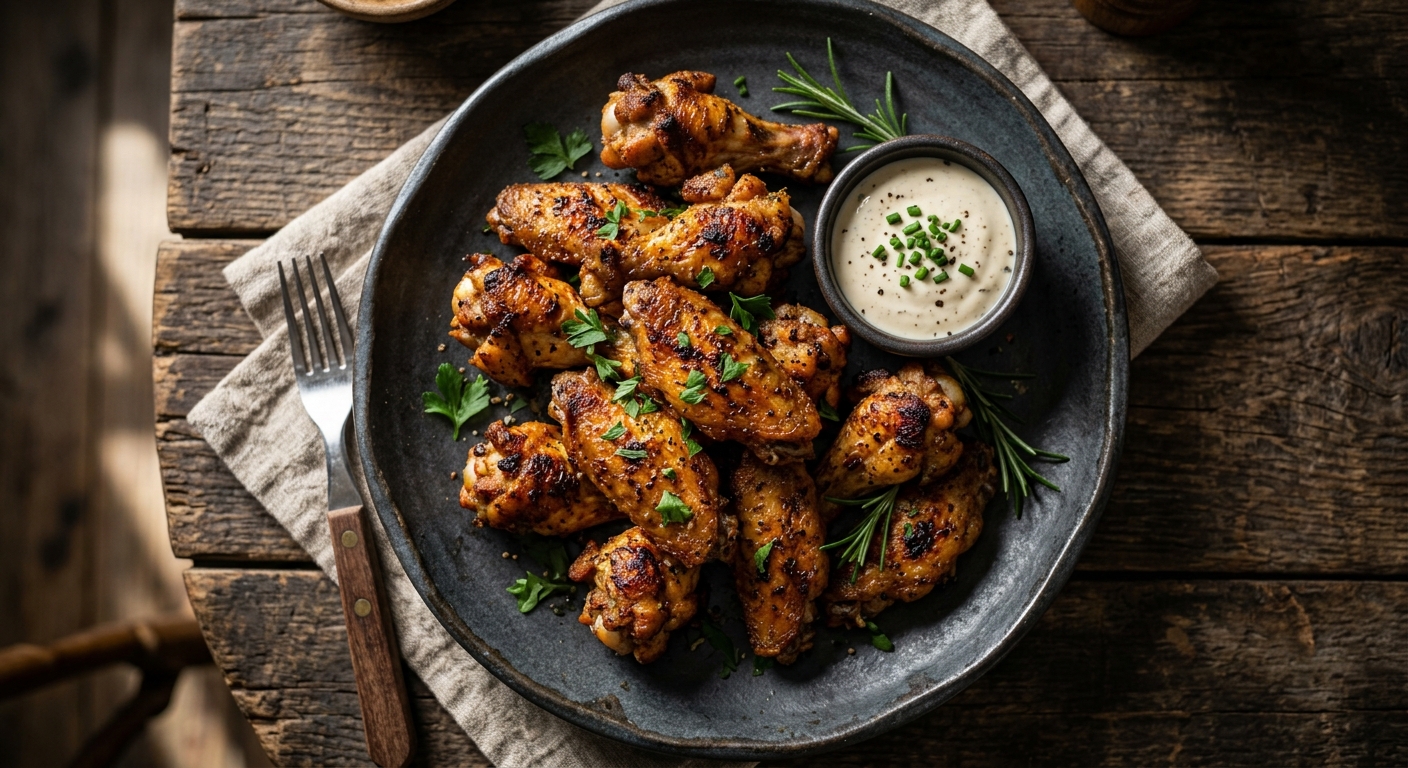
Poultry
Leaner than red meat — keep the skin on and add fat where you can.
Chicken thighs (skin-on)
229 kcal · 23g P · 15g F · 0g C · per 100 g / 3.5 oz
Chicken wings
254 kcal · 24g P · 17g F · 0g C · per 100 g / 3.5 oz
Chicken drumsticks
216 kcal · 27g P · 11g F · 0g C · per 100 g / 3.5 oz
Chicken breast
165 kcal · 31g P · 4g F · 0g C · per 100 g / 3.5 oz
Whole roast chicken
239 kcal · 27g P · 14g F · 0g C · per 100 g / 3.5 oz
Ground turkey
203 kcal · 27g P · 10g F · 0g C · per 100 g / 3.5 oz
Duck
337 kcal · 19g P · 28g F · 0g C · per 100 g / 3.5 oz
Goose
305 kcal · 25g P · 22g F · 0g C · per 100 g / 3.5 oz
Quail
227 kcal · 25g P · 14g F · 0g C · per 100 g / 3.5 oz
Chicken skin
454 kcal · 20g P · 41g F · 0g C · per 100 g / 3.5 oz
Fish and seafood
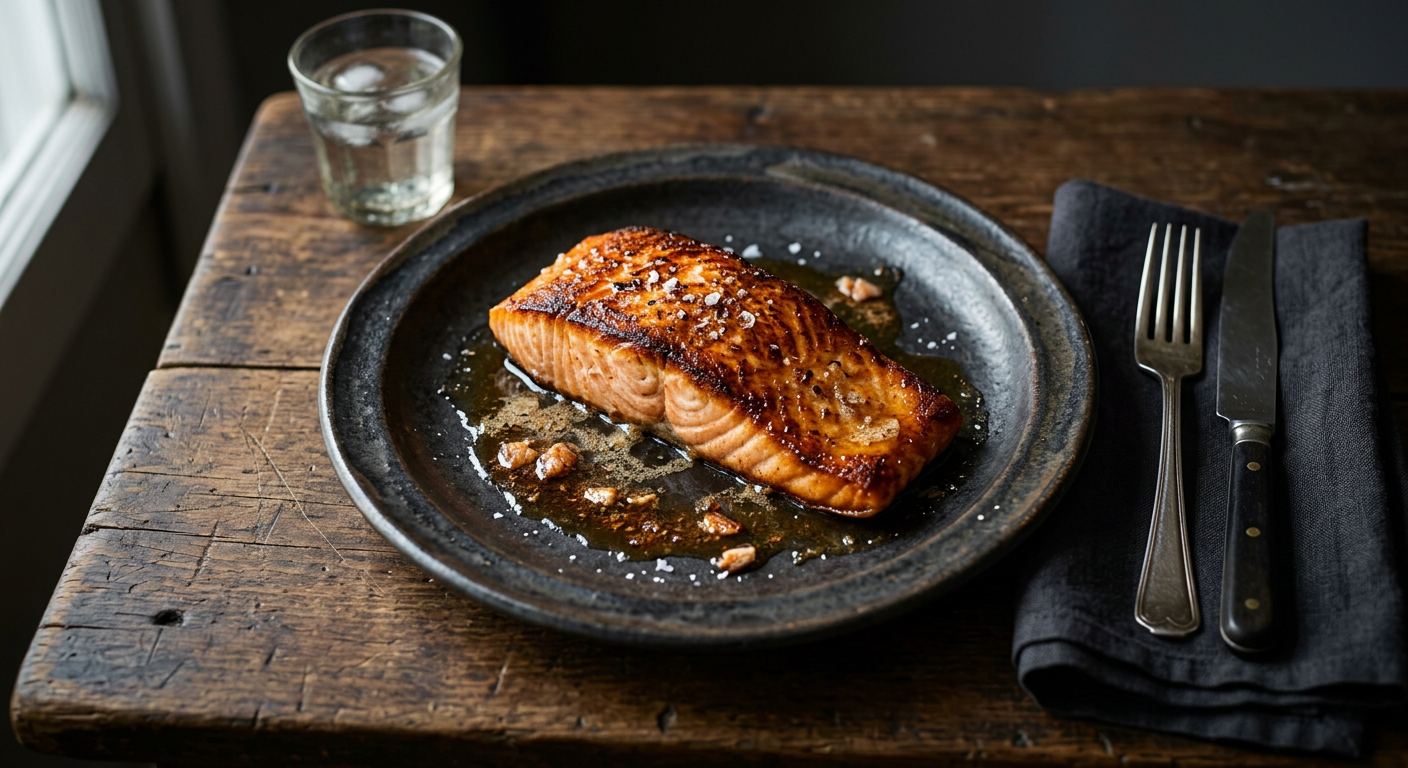
Fatty fish supply omega-3s; shellfish are among the most nutrient-dense foods on the list.
Salmon
206 kcal · 22g P · 12g F · 0g C · per 100 g / 3.5 oz
Mackerel
262 kcal · 24g P · 18g F · 0g C · per 100 g / 3.5 oz
Sardines (canned)
208 kcal · 25g P · 11g F · 0g C · per 100 g / 3.5 oz
Herring
203 kcal · 23g P · 12g F · 0g C · per 100 g / 3.5 oz
Tuna
130 kcal · 29g P · 1g F · 0g C · per 100 g / 3.5 oz
Canned tuna in water
116 kcal · 26g P · 1g F · 0g C · per 100 g / 3.5 oz
Cod
105 kcal · 23g P · 1g F · 0g C · per 100 g / 3.5 oz
Halibut
111 kcal · 23g P · 2g F · 0g C · per 100 g / 3.5 oz
Sea bass
124 kcal · 24g P · 3g F · 0g C · per 100 g / 3.5 oz
Shrimp and prawns
99 kcal · 24g P · 0g F · 0g C · per 100 g / 3.5 oz
Crab
97 kcal · 19g P · 2g F · 0g C · per 100 g / 3.5 oz
Lobster
89 kcal · 19g P · 1g F · 0g C · per 100 g / 3.5 oz
Oysters
81 kcal · 9g P · 2g F · 5g C · per 100 g / 3.5 oz
Mussels
172 kcal · 24g P · 4g F · 7g C · per 100 g / 3.5 oz
Clams
148 kcal · 26g P · 2g F · 5g C · per 100 g / 3.5 oz
Scallops
111 kcal · 21g P · 1g F · 5g C · per 100 g / 3.5 oz
Salmon roe
143 kcal · 22g P · 6g F · 2g C · per 100 g / 3.5 oz
Caviar
264 kcal · 25g P · 18g F · 4g C · per 100 g / 3.5 oz
Organ meats
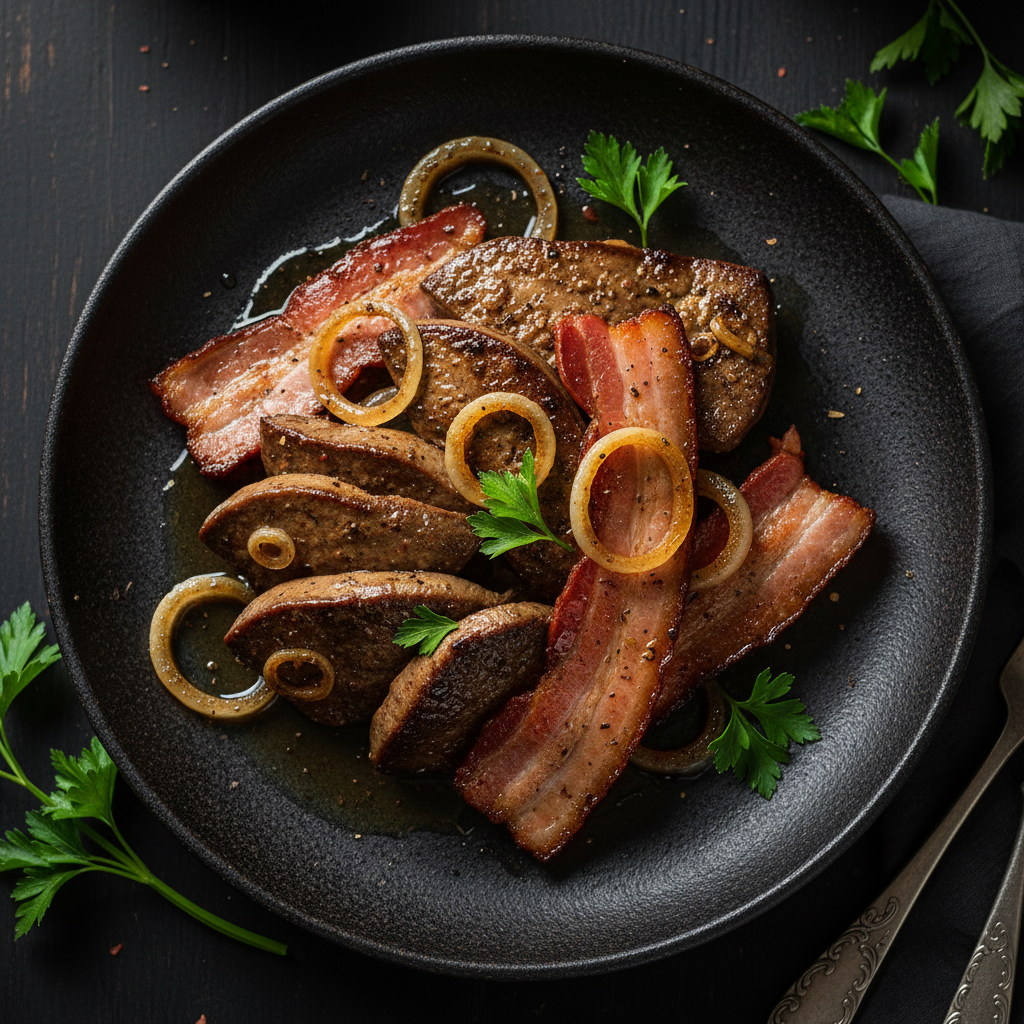
Optional but the strongest source of vitamins A, B12, folate, iron, and copper. Once or twice a week is plenty.
Beef liver
175 kcal · 27g P · 5g F · 5g C · per 100 g / 3.5 oz
Lamb liver
220 kcal · 31g P · 9g F · 3g C · per 100 g / 3.5 oz
Chicken liver
167 kcal · 24g P · 7g F · 1g C · per 100 g / 3.5 oz
Beef heart
165 kcal · 28g P · 5g F · 0g C · per 100 g / 3.5 oz
Beef kidney
158 kcal · 27g P · 5g F · 0g C · per 100 g / 3.5 oz
Bone marrow
786 kcal · 7g P · 84g F · 0g C · per 100 g / 3.5 oz
Beef tongue
284 kcal · 19g P · 22g F · 0g C · per 100 g / 3.5 oz
Sweetbreads
319 kcal · 22g P · 25g F · 0g C · per 100 g / 3.5 oz
Tripe
94 kcal · 12g P · 4g F · 2g C · per 100 g / 3.5 oz
Eggs
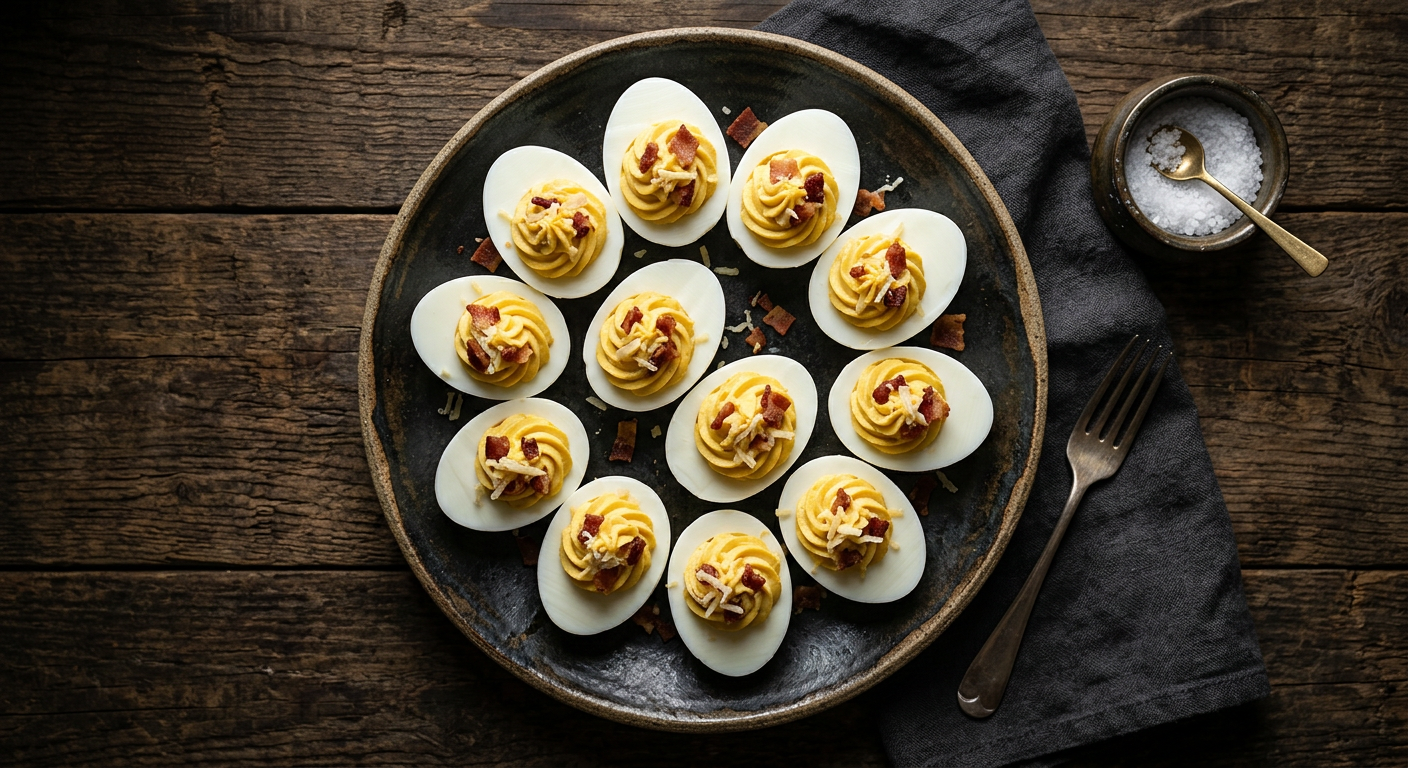
Cheap, complete protein. Any bird's egg counts.
Whole chicken eggs
155 kcal · 13g P · 11g F · 1g C · per 100 g / 3.5 oz
Egg yolks
322 kcal · 16g P · 27g F · 4g C · per 100 g / 3.5 oz
Egg whites
52 kcal · 11g P · 0g F · 1g C · per 100 g / 3.5 oz
Duck eggs
185 kcal · 13g P · 14g F · 1g C · per 100 g / 3.5 oz
Quail eggs
158 kcal · 13g P · 11g F · 0g C · per 100 g / 3.5 oz
Eggs fried in butter
196 kcal · 14g P · 15g F · 1g C · per 100 g / 3.5 oz

Animal fats
Cook in these instead of seed oils, and add them to lean cuts.
Beef tallow
902 kcal · 0g P · 100g F · 0g C · per 100 g / 3.5 oz
Lard
902 kcal · 0g P · 100g F · 0g C · per 100 g / 3.5 oz
Bacon grease
897 kcal · 0g P · 100g F · 0g C · per 100 g / 3.5 oz
Butter
717 kcal · 1g P · 81g F · 0g C · per 100 g / 3.5 oz
Ghee
876 kcal · 0g P · 99g F · 0g C · per 100 g / 3.5 oz
Duck fat
882 kcal · 0g P · 100g F · 0g C · per 100 g / 3.5 oz
Schmaltz (chicken fat)
900 kcal · 0g P · 100g F · 0g C · per 100 g / 3.5 oz
Suet
854 kcal · 2g P · 94g F · 0g C · per 100 g / 3.5 oz
Drinks and seasoning
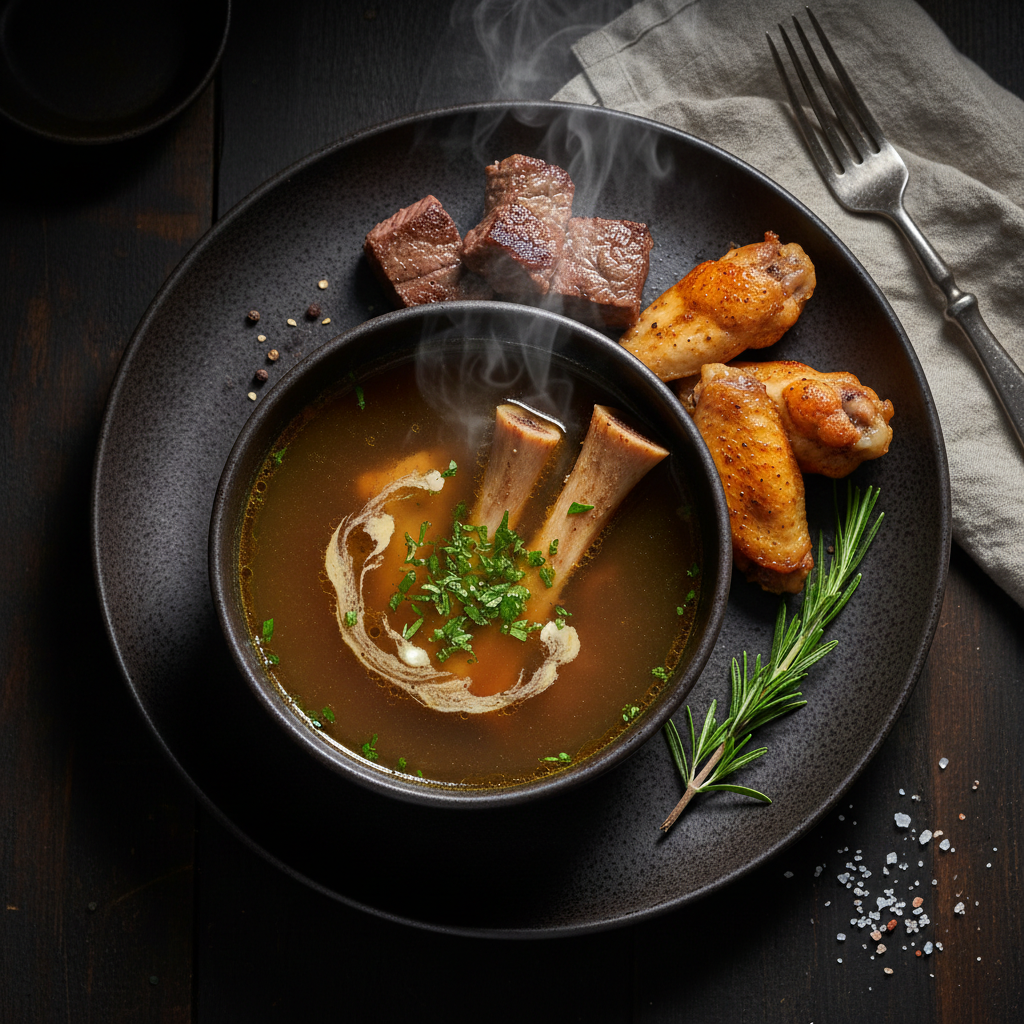
Keep it simple: water, salt, and broth cover almost everything.
Water and sparkling water
0 kcal · 0g P · 0g F · 0g C · per 100 g / 3.5 oz
Beef bone broth
17 kcal · 4g P · 0g F · 0g C · per 100 g / 3.5 oz
Chicken bone broth
20 kcal · 4g P · 0g F · 0g C · per 100 g / 3.5 oz
Salt — sea, kosher, or Redmond
0 kcal · 0g P · 0g F · 0g C · per 100 g / 3.5 oz
Black coffee (animal-based variations)
1 kcal · 0g P · 0g F · 0g C · per 100 g / 3.5 oz
Plain tea (animal-based variations)
1 kcal · 0g P · 0g F · 0g C · per 100 g / 3.5 oz
Electrolytes without sweeteners
0 kcal · 0g P · 0g F · 0g C · per 100 g / 3.5 oz
Depends on your variation
These foods are animal-sourced but excluded on stricter versions of the diet. Include them only if you tolerate them well.

Dairy
Hard aged cheese, heavy cream, butter, and full-fat yoghurt. Lowest in lactose when aged; skipped entirely on the Lion diet.
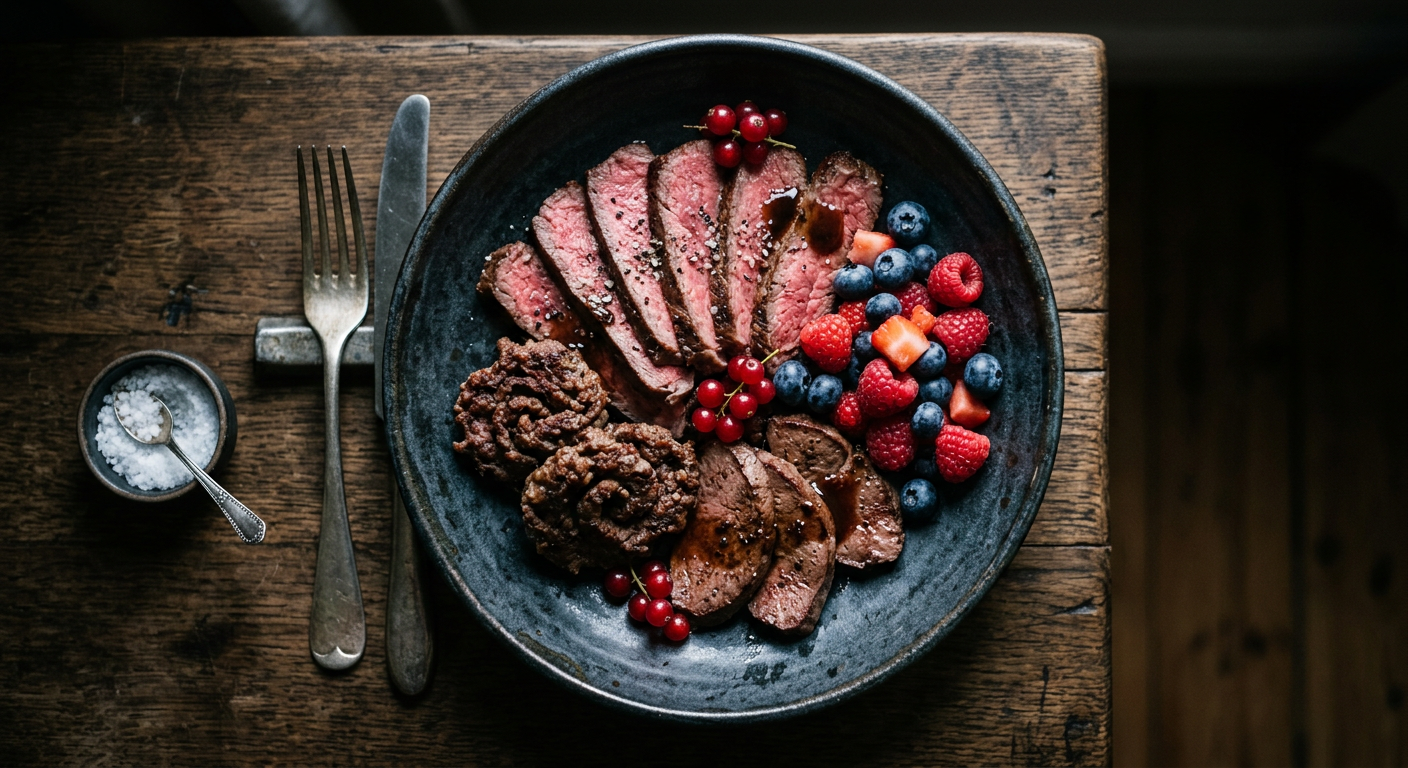
Honey and fruit
Allowed on animal-based eating, not on strict carnivore. Both are carbohydrate sources.

Coffee and tea
Plant-derived, but widely kept. Drop them for 30 days if you are testing for sensitivities.
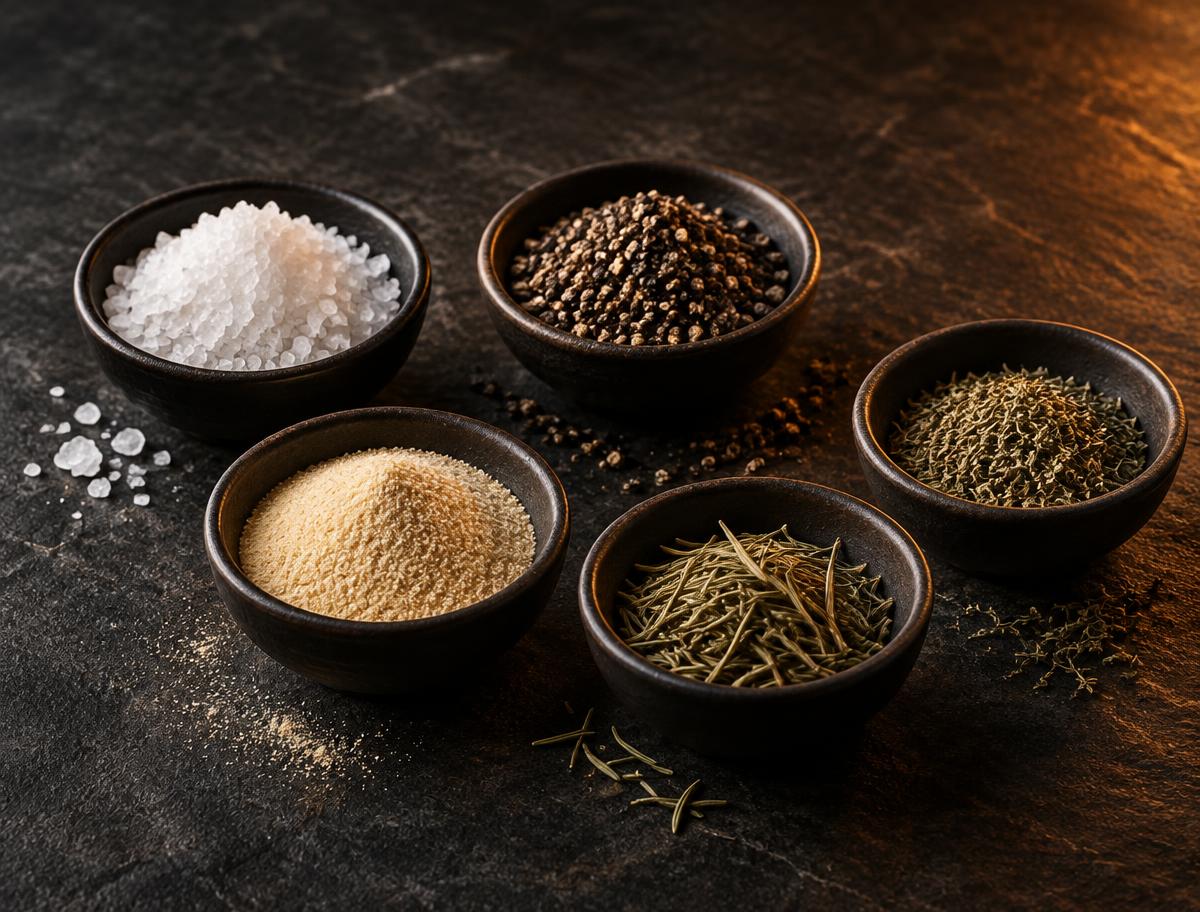
Spices and herbs
Pepper, garlic powder, and dried herbs are plants. Strict carnivore uses salt only.
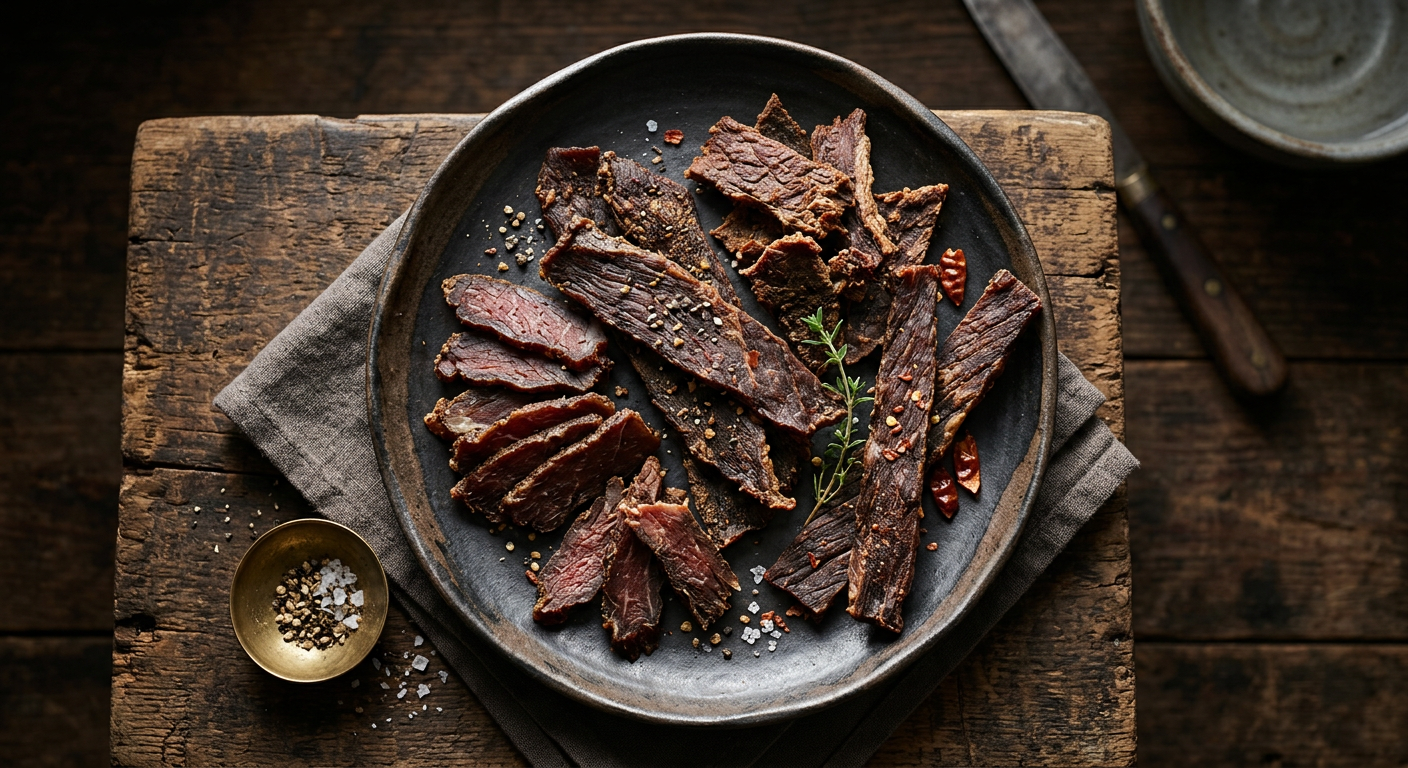
Processed meat snacks
Jerky, sticks, and salami are fine when they contain meat, salt, and spices — and no sugar, dextrose, or starch.
Foods to avoid on the carnivore diet
Everything here is plant-based, sugar-based, or industrially processed.
- Grains: bread, pasta, rice, oats, corn
- Sugar, syrups, and artificial sweeteners
- Vegetables, including potatoes and salad greens
- Legumes: beans, lentils, peanuts, soy
- Nuts and seeds
- Seed and vegetable oils: canola, sunflower, soybean, margarine
- Fruit and fruit juice (on strict carnivore)
- Plant milks and protein powders
- Processed meats with sugar, dextrose, starch, or fillers
- Alcohol, soft drinks, and sweetened coffee drinks
How the food list changes by carnivore variation
Lion diet
One ruminant meat, salt, and water. Nothing else — used as an elimination protocol.
Strict carnivore
All meat, fish, eggs, and animal fats, with salt. No dairy, no spices, no coffee.
Animal-based
Everything in the strict list plus dairy, honey, some fruit, and coffee.
Carnivore diet food list FAQ
What can you eat on a carnivore diet?
Beef, lamb, bison, venison, pork, chicken, turkey, duck, fish and shellfish, eggs, organ meats, animal fats such as tallow and butter, bone broth, and salt. Water is the default drink. Dairy, coffee, and spices are included on looser variations of the diet.
What foods are not allowed on the carnivore diet?
All grains, sugar, vegetables, legumes, nuts, seeds, seed oils, plant milks, and — on strict carnivore — fruit. Processed meats containing sugar, dextrose, or starch fillers are also left out.
Is dairy allowed on the carnivore diet?
It depends on the variation. Butter and ghee are almost always kept because they are nearly pure fat. Hard aged cheese and heavy cream are common on animal-based carnivore. Milk and sweetened yoghurt are usually avoided because of their lactose content, and the Lion diet excludes dairy entirely.
Can I eat bacon and processed meats?
Yes, if the ingredients are meat, salt, and spices. Check the label for sugar, dextrose, maltodextrin, and starch — those are the parts that do not belong on a carnivore food list.
Do I need organ meats?
No, but they are the most nutrient-dense foods available. Liver once or twice a week covers vitamin A, B12, folate, and copper without supplements.
Which carnivore meats have the most fat and protein?
Per 100 g (3.5 oz) cooked: beef short ribs have about 42 g fat and 22 g protein, brisket 24 g fat and 26 g protein, ribeye 21 g fat and 24 g protein, and 80/20 ground beef 18 g fat and 26 g protein. Leaner choices include sirloin (9 g fat, 30 g protein), bison and venison (2–3 g fat, about 28–30 g protein). Among fish, mackerel (18 g fat) and salmon (12 g fat) are the fattiest; cod and shrimp are almost pure protein.
What should I buy on my first shop?
Ground beef, ribeye or chuck, eggs, chicken thighs, bacon, butter, canned sardines, salt, and bone broth. That covers a full week of meals for most people.
Carry the food list in your pocket
CarnivoreX includes the full carnivore food list with macros for every item, plus meal planning, logging, and a ketosis timer — in English and French.
Get the CarnivoreX newsletter
Carnivore diet guides, science-backed articles, and product updates — straight to your inbox.